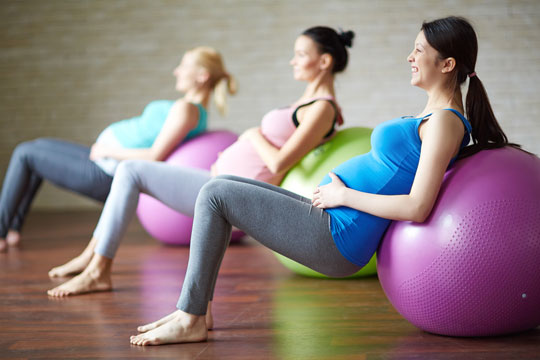
Pregnancy is a transformative time in a woman’s life. It brings a myriad of physical and emotional changes, and with these changes often come questions about maintaining an active lifestyle. Exercise during pregnancy can have numerous benefits, from enhancing mood and energy levels to reducing pregnancy discomforts. However, it’s essential to approach it with caution and knowledge. In this post, we’ll explore some exercise tips to keep you and your baby safe while staying active.
Benefits of Exercising During Pregnancy:
- Boosted Mood & Energy: Physical activity stimulates the release of endorphins, the body’s natural mood elevators.
- Enhanced Strength and Endurance: This can aid with the added weight of pregnancy and prepare the body for labor.
- Reduced Discomfort: Exercise can alleviate many common pregnancy discomforts such as backaches and fatigue.
- Improved Posture: Strengthening exercises can prevent the slouching commonly associated with the added front weight.
- Controlled Weight Gain: A healthy, active lifestyle can help manage pregnancy weight gain within recommended ranges.
Tips for Exercising During Pregnancy:
1. Consult Your Healthcare Provider:
Before starting any exercise routine during pregnancy, always get a green light from your obstetrician. They can provide tailored advice based on your health and any potential pregnancy complications.
2. Start Slowly:
If you weren’t very active before pregnancy, start with low-impact exercises and gradually increase your activity level.
3. Stay Hydrated:
Your hydration needs increase during pregnancy. Drink plenty of water before, during, and after your workout to keep you and your baby adequately hydrated.
4. Wear Appropriate Gear:
Wear supportive shoes and a good sports bra. As your pregnancy progresses, you might also benefit from a supportive belly band.
5. Listen to Your Body:
While mild discomfort is common, sharp pain, dizziness, or shortness of breath are signs that you should stop and rest. Always prioritize your body’s signals.
6. Avoid Overheating:
Especially in the first trimester, overheating can be harmful. Opt for breathable clothing, and try to exercise during cooler times of the day.
7. Modify As Needed:
As your belly grows, you might need to modify certain exercises. For instance, after the first trimester, avoid exercises that involve lying flat on your back.
8. Stay Balanced:
Your center of gravity shifts during pregnancy, making balancing exercises trickier. Use a wall or chair for support if needed.
9. Include Pelvic Floor Exercises:
Pelvic floor exercises, or Kegels, strengthen the muscles that support your uterus, bladder, and bowels. This can help prevent urinary incontinence during and after pregnancy.
10. Opt for Pregnancy-friendly Exercises:
Some of the best exercises during pregnancy include:
- Walking: It’s low impact and can be done throughout the entire pregnancy.
- Swimming: The buoyancy of water can offer relief from the added weight, and it also provides resistance for a good workout.
- Prenatal Yoga: This focuses on flexibility and breathing, preparing your body and mind for childbirth.
- Prenatal Pilates: Strengthens the core and improves posture without putting too much strain on your joints.
- Low-Impact Aerobics: Keeps your heart healthy without the stress of high-impact workouts.
11. Know When to Stop:
While exercise is beneficial, there are some red flags that you should be aware of. If you experience any of the following, stop exercising and consult your healthcare provider:
- Severe chest pain
- Vaginal bleeding or fluid leakage
- Dizziness or feeling faint
- Severe shortness of breath
- Muscle weakness affecting balance
- Painful uterine contractions
- Reduced fetal movement
12. Connect with Other Moms:
Joining a prenatal exercise class can offer motivation, social connection, and the expertise of instructors trained in prenatal fitness.
In Conclusion:
Exercise during pregnancy can be a rewarding way to connect with your changing body, manage stress, and prepare for childbirth. However, it’s paramount to approach it with caution and knowledge. Tailor your workouts to suit your body’s needs, consult with professionals, and relish in the journey of motherhood with strength and grace. Remember, every pregnancy is unique, so what works for one person might not work for another. It’s all about finding what feels right for you and your baby.